





Don’t call it a comeback
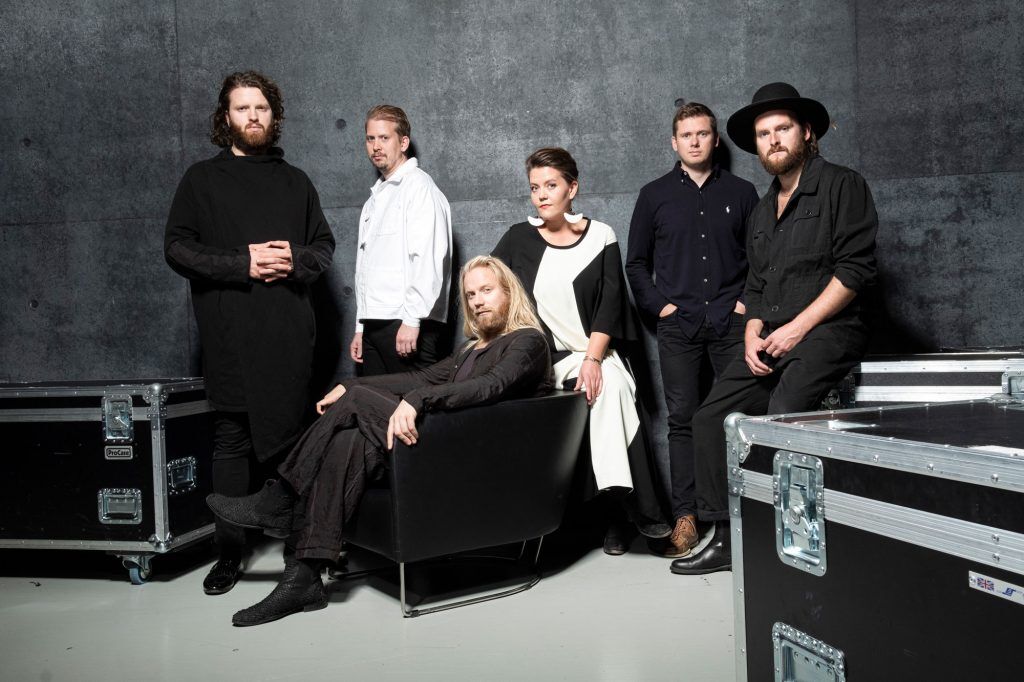
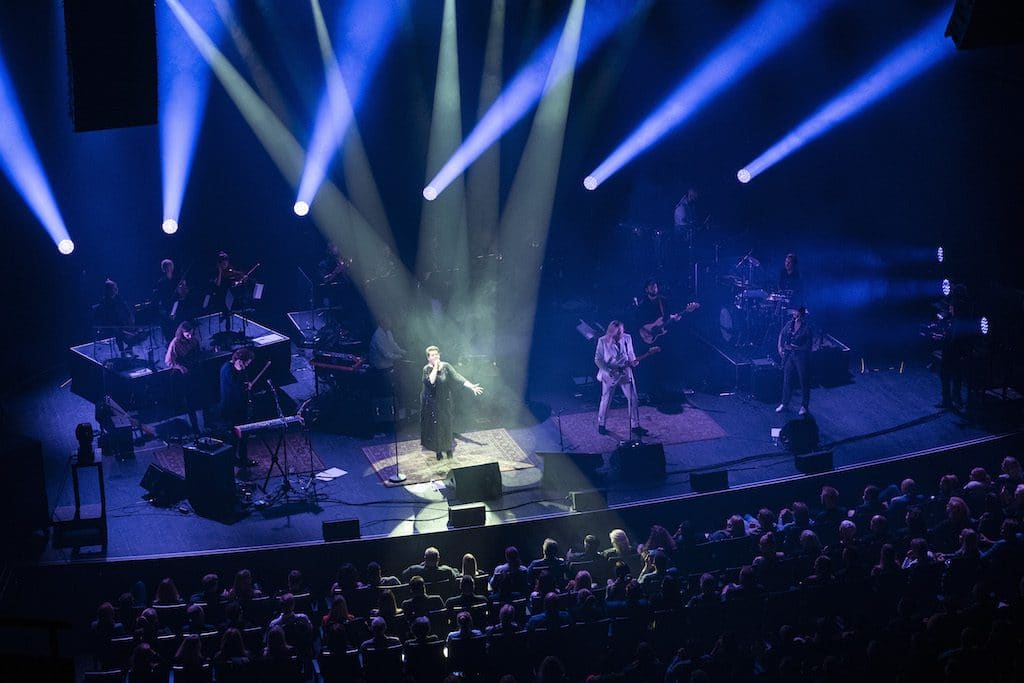
I meet up with a couple of members of Hjaltalín in a small but cosy apartment in the old city centre. The environment is just like Hjaltalín, timeless yet modern. Sigríður Thorlacius and Hjörtur Ingvi Jóhannsson are still basking in the afterglow of a successful weekend of concerts at Harpa concert hall, billed as their biggest ever. “We feel pretty good these days,” Hjörtur tells me.
According to Sigríður, the concert felt like the band breaking the cocoon of their creative hibernation. “I think it was healthy for us to do something together. Things have been, not at a standstill, but if we’ve been working, it’s been on our own, privately. We decided at the beginning of the year to release a new song, just to get a little reaction, because when you get that reaction, it makes the work flow better.”
Hjörtur is as excited as Sigríður about the recent concerts. “It’s like when you’ve spent a long time nurturing your garden and you’re starting to see some potatoes and swedes peeking out of the ground.” Even though Hjaltalín hasn’t been releasing new music or playing concerts regularly, they’ve been hard at work on an album, to be released later this year. Hjörtur tells me it’s been a long process. “We’ve been in this creative phase for a while now, about 3-5 years, recording and working on the new album. When it comes out, that’s harvest season.”
A new kind of pop
Hjaltalín has been one of the country’s most popular groups since their first single Goodbye July (Margt að ugga) became a surprise hit in 2007, followed by their debut album, Sleepdrunk Seasons. All former schoolmates, the band has been working together in its current form for more than a decade. Hjörtur explains that their unique sound can be attributed to trained musicians bringing different skills and influences together to create something new. He tells me, “Högni [Eglisson] entered the band as he started studying composition at the Iceland University of the Arts. Our early sound was heavily influenced by that, it’s been described as chamber pop.”
Although the band worked together on their first two albums, Högni was the main composer. While working on their third studio album, Enter 4, however, Högni experienced manic episodes and bouts of depression, effects of bipolar disorder. As Sigríður puts it, “At that point, things start happening by accident, really. Because he wasn’t entirely present in the final stages as we were finishing the album. Well, he was present, but…” Hjörtur finishes her sentence, “He was in another dimension, literally. The fourth dimension.”
Sigríður talks about that time with mixed emotions. “Other members of the band had to step in and be a bigger part of the creation. But Högni did all this incredible spiritual work on himself and his journey brought so many amazing ideas into the music. All the things that came from that dimension were incredibly exciting and interesting. That tied it all together. It was a blessing and a curse, really, both for him and for us.”
Enter 4 was released to critical and popular acclaim, but Högni’s condition and the taxing creative process had taken its toll on the band. “We never actually quit, in fact we started working on a new album in 2014, but we took a break,” Hjörtur explained. “It was healthy, really. After Enter 4, we didn’t want to release a new version of the same thing, or something that was inferior. Then life happened and we got busy doing other things. But we still got together and worked on the upcoming album regularly.”
A band is a battlefield
Working together since they were teenagers, touring the world, and dealing with life – the good and the bad – has tested Hjaltalín’s bonds and strengthened them. While Hjörtur praises the group’s co-operation, he says it isn’t always simple. “It’s like any friendship or marriage. There are peaks and valleys. One thing I think people don’t really get, with any band or artist, is that this type of intimate creative work is maybe the hardest thing you’ll ever do. It requires so much from you, and forces you to leave your ego behind completely.”
“In the beginning, we never really talked about anything serious,” Sigríður adds. “It was just a lot of fun and we were enjoying ourselves. But then, with everything that we’ve gone through together – for one, the things that were going on in Högni’s life, which had a tremendous impact on all of us – people’s honesty grew hand in hand with the friendship. And that has made all the victories greater as well. Today, we’re not afraid to have those conversations.”
Hjörtur agrees “We’ve done so much together, played so much abroad, often under difficult circumstances. I won’t compare the experiences, but it’s a little like having served in a war together. Our UK tour in 2009 was like being in the trenches. Even if we can be difficult towards one another, it’s brought us even closer together.”
The beautiful side of growing up
Though Hjaltalín’s members have been busy with other endeavours, most of them still identify the band as their main project. “When people ask me what sort of music I’m making, Hjaltalín is always the thing I’m most proud to talk about, even if we haven’t been meeting for a while,” Hjörtur says. “To me, this is the best music I’ve participated in making. Because the whole is greater than the sum of its parts.”
Sigríður agrees. “Hjaltalín feels like home for us. We’re all doing our own stuff, but Hjaltalín is the constant, the mainstay. I’ve felt good defining myself as part of this. Of course, you travel away from this point but you always pop back home once in a while.”
