


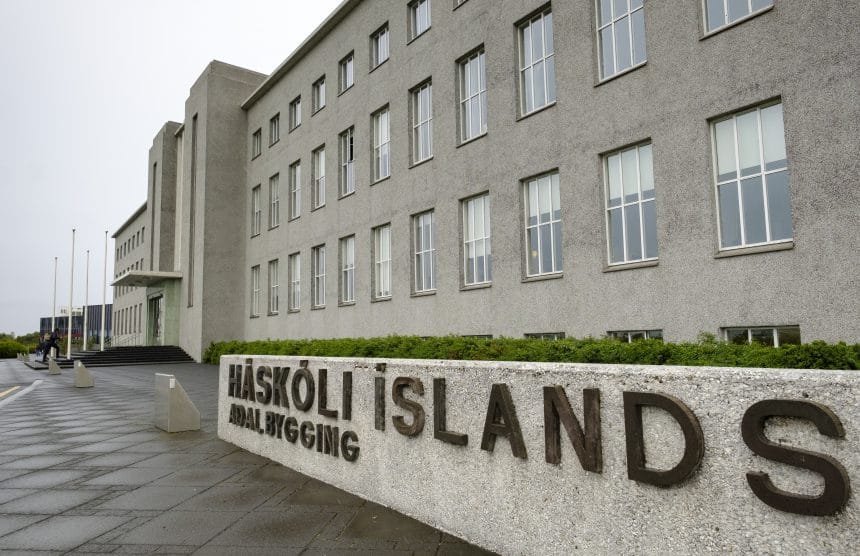


The University of Iceland has recorded its first decline in international applications in many years. Meanwhile, demand from Icelandic students continues to grow ahead of the next academic year.
The university received more than 8,700 applications for undergraduate and postgraduate programmes. Domestic applications increased by 2.4% compared with last year, while applications from abroad fell in a shift the university believes reflects the expected introduction of tuition fees for students from outside the European Economic Area (EEA).
What’s the Story?
Original source: RÚV
- Overseas applications declined after years of growth, while Icelandic applications increased.
- The university links the fall to planned tuition fees for students from outside the EEA.
- Teacher education, nursing and midwifery programmes all saw notable increases in demand.
Rising Domestic Demand
Rector Silja Bára Ómarsdóttir said prospective international students were likely discouraged by legislation allowing public universities to charge tuition fees to applicants living outside the EEA.
Although the law was not passed in time for the fees to take effect in the 2026–27 academic year, the changes were widely expected during the admissions period. The fees will instead be introduced for the 2027–28 academic year.
Iceland is the last Nordic country to adopt tuition fees for students from outside the EEA.
School of Humanities in the Lead
Among undergraduate applicants, the School of Humanities attracted the largest number of applications, with Icelandic as a Second Language and Icelandic Studies proving especially popular.
The strongest growth, however, came in professional programmes. Applications for primary teacher education rose by 13%, while applications for nursing and midwifery increased by 30% compared with last year.
Silja Bára said increased interest in education programmes was likely driven by a successful recruitment campaign highlighting the School of Education’s new facilities at Hotel Saga, alongside growing public demand for better-qualified teachers.
Separately, the University of Iceland and Hólar University will form Iceland’s first university consortium on 1 July. Hólar University received 275 applications for the coming academic year, with 145 applicants offered places.
Read more stories covering Icelandic society, politics, business, and culture at Iceland Review News.
