


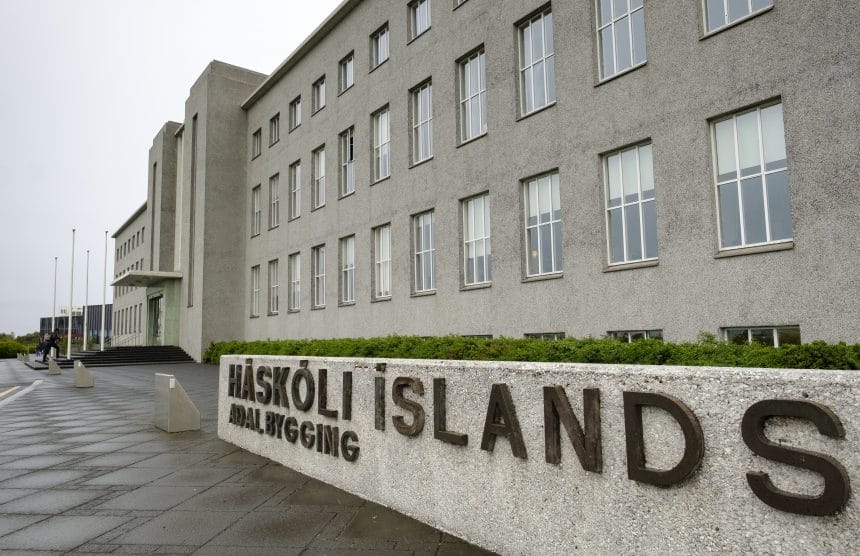







Students from outside the European Economic Area (EEA) will be required to pay full tuition fees at Iceland’s public universities from the 2027–2028 academic year under legislation approved by Alþingi before the end of the parliamentary session.
The change ends state funding for most non-EEA students and brings Iceland into line with other Nordic countries that already charge tuition fees for international students from outside the EEA. Students from the Faroe Islands, Greenland and Switzerland are exempt from the new rules.
What’s the Story?
Original source: RÚV
- Iceland’s public universities will be allowed to charge tuition fees to most non-EEA students.
- University of Iceland applications from outside the EEA are expected to decline sharply.
- Parliament also approved stricter immigration rules affecting international students.
Applications expected to fall
The amount students will be required to pay has not yet been determined. Universities must calculate the cost of providing full-time education before fees can be set ahead of enrolment opening in December 2026 for the 2027–2028 academic year.
Silja Bára Ómarsdóttir, Rector of the University of Iceland, said a significant drop in applications from outside the EEA is likely.
Similar measures introduced elsewhere in the Nordic region have led to substantial declines in international applications. Denmark introduced tuition fees for non-EEA students in 2006, followed by Sweden in 2011, Finland in 2017 and Norway in 2023.
According to the bill’s explanatory memorandum, applications from outside the EEA to the University of Iceland rose from just under 1,200 in 2021 to nearly 2,600 last year. Part of that increase has been attributed to Norway’s decision to begin charging tuition fees.
The legislation does not apply to non-EEA residents who already hold permanent residence permits in Iceland.
Wider immigration changes
The tuition fee legislation was accompanied by broader changes affecting international students and migrants.
Parliament also approved amendments to residence permit rules, limiting family reunification rights to spouses and children and removing eligibility for parents over the age of 67.
In addition, the period graduates can remain in Iceland to seek employment after completing their studies has been reduced from three years to 18 months, while stricter academic performance requirements will apply when renewing student residence permits.
Read more stories covering Icelandic society, politics, business, and culture at Iceland Review News.
